
The secret to a perfect espresso lies not only in the machine, but in the raw material. Choosing the best coffee beans means understanding the science behind the bean, from cultivation to roasting.
In this guide, we will explore the quality standards necessary to transform a simple coffee into an unforgettable sensory experience.
Key factors for choosing the best coffee beans
To achieve consistent results, a barista must evaluate variables that go beyond simple packaging. Here are the pillars of selection:
The importance of freshness (roast date)
Unlike commercial coffee that can spend months on a shelf losing gases and oils, specialty coffee respects degassing times. Commercial coffee is often “old” before it reaches your cup, whereas a professional bean reaches its peak flavor between 7 and 21 days after roasting. The degassing process has been extensively studied and directly affects espresso extraction National Coffee Association.
Arabica vs. Robusta
Balance is the key to espresso. While Arabica brings citrus acidity, sweetness, and complex notes (fruit, flowers), high-quality Robusta provides body, structure, and the famous persistent crema. A professional blend knows how to combine both for a well-rounded and balanced cup.
The roast profile
Medium roast is the gold standard. A roast that is too light can be too acidic for espresso, while one that is too dark (typical of traditional Italian industry) generates excessive bitterness that hides the bean’s origin notes.
| Characteristic | Commercial coffee | Specialty Coffee |
| Roast date | Absent (expiry date only) | Clearly indicated (total freshness) |
| Bean defects | High percentage of broken beans/quakers | Manual selection, 0 primary defects |
| Traceability | Blends of unknown origin | Farm, altitude, and detailed process |
| Flavor | Flat, bitter, ashy | Complex, sweet, distinctive notes |
How to choose good coffee beans?
Choosing the bean is the first fundamental step. Not all coffee beans are equal; the difference between a commercial product and specialty is vast.
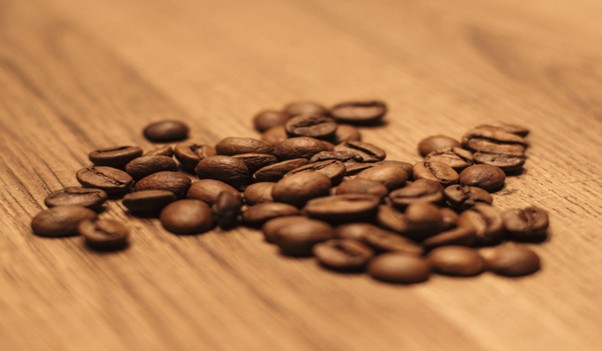
How to recognize good coffee beans?
To identify quality, observe three fundamental elements:
- Visual analysis: beans must be intact, without holes (a sign of pests) or spots. The size should be as uniform as possible for a consistent grind.
- Roast color: a good espresso coffee should have a “monk’s robe” color (medium brown). If the beans are too black and oily, they have been burnt to hide defects, which will result in a bitter and ashy flavor.
- Transparency: a quality producer will always indicate the region of origin, altitude, and, above all, the roast date.
How much coffee beans are needed for a perfect espresso?
Precision is what distinguishes a barista from an amateur. The use of a scale is mandatory to maintain consistency in taste.
How many grams of coffee beans in an espresso?
The professional standard for a single espresso varies between 7 and 9 g of ground coffee. However, the modern trend in specialty coffee shops is the “double shot,” which uses between 14 and 18 g for a more balanced and complex cup.
The extraction ratio (Brew Ratio)
In the professional world, we speak of ratios. For a standard espresso, a 1:2 ratio is usually used.
Example: if you grind 18g of coffee (the best coffee beans), you should obtain 36g of liquid beverage in the cup.
Which coffee beans are the best?
What is the best coffee overall?
From a technical standpoint, Single Origin coffees from Ethiopia or Colombia are usually considered the best for their complex aromatic profiles, ranging from floral to fruity. If you are looking for the classic Italian profile but at a high level, a blend of high-altitude Arabica with a small portion of fine Robusta will offer that typical creaminess and strength without the bad taste of industrial coffees.
Which coffee is the creamiest?
Crema is formed by the emulsion of coffee oils with carbon dioxide. Beans with a percentage of high-quality Robusta tend to produce a denser crema, but the freshness of the roast is fundamental: coffee roasted less than a month ago will release much more crema than old coffee due to the presence of natural gases.
Is it worth buying coffee beans?
If you care about the quality of your daily cup, the answer is yes. It is not just a matter of taste, but also of preservation.
How much can you save with coffee beans?
Even if the initial investment in a coffee grinder may seem high, the real saving lies in quality and longevity. Ground coffee loses 60% of its volatile aromas within 15 minutes of exposure to air. Buying in beans means not wasting the money spent on those aromas; each bean is a natural capsule of freshness.
How many coffees do you get from 1 kg of beans?
| Doses per cup | Cups per 1 kg of coffee |
| 7.5 g (Single) | ~133 coffees |
| 16 g (Double) | ~62 coffees |
Which coffee brand is of the best quality?
Rather than looking for a famous industrial brand at the supermarket, the best quality is found in artisanal roasteries.
Rather than looking for a famous industrial brand at the supermarket, the best quality is found in artisanal roasteries. While historic names like Lavazza, Illy, or Pellini dominate the global market with consistent and reliable blends for mass consumption, the professional sector has shifted toward roasters that prioritize traceability and absolute freshness.
In the current landscape of 2026, the highest quality brands are those operating according to the Specialty Coffee model. In Italy, pioneers like Ditta Artigianale or Bugan Coffee Lab have redefined the standard. However, to obtain the best coffee beans, the professional trend dictates that roasting should take place as close as possible to the point of consumption to preserve the volatile compounds that are lost in the long distribution chains of large brands.
Comparison: Industrial Brands vs. Artisanal Roastery
| Characteristic | Industrial Brands (Supermarket) | Artisanal Roastery (Specialty) |
| Approach | Quantity and consistency of flat taste. | Sensory quality and complex notes. |
| Roasting | Massive and dark (to hide defects). | Small batches and personalized profiles. |
| Freshness | Basement storage tables. | Roasted to order (maximum freshness). |
| Ethics | Opaque supply chains. | Direct trade and fair prices for the producer. |
At Esperanto Specialty Coffee, we distance ourselves from industrial production to embrace the “third wave of coffee” philosophy. We are not just a brand; we are a bridge between the most prestigious coffee-producing regions and your cup of espresso.
Frequently Asked Questions (FAQ) about coffee beans
How should I store coffee beans to keep them fresh? The bean’s worst enemy is exposure to air, light, and temperature fluctuations. Ideally, store it in its original bag (which usually has a one-way valve to let gases out but not let oxygen in) inside an airtight container in a cool, dry place. Avoid the refrigerator, as humidity can alter the coffee oils.
Can I use espresso coffee beans in a Moka pot? Yes, but pay attention to the grind. While espresso requires a very fine powder (similar to fine salt), for the Moka, the grind must be medium (similar to granulated sugar). A specialty coffee in beans will enhance the flavors of your Moka, making it much less bitter than commercial coffee.
Is it necessary to clean the coffee grinder regularly? Absolutely. Coffee oils deposit on the burrs and, over time, become rancid, ruining the flavor of even the best coffee beans in the world. Deep cleaning of the burrs is recommended at least once a month with specific products or a brush to remove old powder residues.
What is the difference between a “Single Origin” and a “Blend”? A Single Origin comes from a single plantation or region and serves to explore the unique character of that territory (terroir). A Blend is a mixture designed by the roaster to create a consistent and balanced flavor profile, ideal for those seeking a well-rounded espresso without excessive acidity notes.
Why do I sometimes find a valve on the coffee bag? It is not a hole for smelling the coffee! It is a degassing valve. Freshly roasted coffee releases carbon dioxide (CO2). Without the valve, the packaging could swell until it bursts. The valve allows the gas to escape without letting oxygen in, preserving the freshness of the bean for longer.
Does the cultivation altitude really affect the taste? Yes. In general, coffees grown at high altitudes (above 1,200 meters) grow more slowly, which allows the beans to develop greater density and aromatic complexity. If you are looking for a coffee with sweeter and more acidic (fruity) notes, look for beans grown at high altitudes.
Why do coffee beans sometimes have different sizes in the same bag? If it is a Blend, it is normal: the roaster combines different varieties to balance the taste. If, however, it is a Single Origin, the beans should be uniform. A large difference in size in a single origin can indicate a less careful selection, which makes it difficult to obtain a homogeneous grind.
What are “Quakers” and how do they affect my espresso? Quakers are beans that have not ripened correctly and do not roast well (they remain a pale straw-yellow color). Even if there are only a few, they can give the coffee a taste of toasted peanut or wet paper. In Specialty Coffee like Esperanto’s, manual selection eliminates these defects at the source.
Is it true that water affects the flavor of coffee beans? Absolutely. An espresso is composed of 90-95% water. If the water is too hard (full of limescale), it will cancel out the bright acidity of high-quality coffee and make it flat and bitter. To extract the best aromatic profile from your beans, always use filtered water or water with a low fixed residue.
Why does specialty coffee cost more than supermarket coffee? The price difference lies in traceability and ethics. While industrial coffee is a “commodity” purchased at minimum prices, specialty coffee guarantees fair prices to farmers (Direct Trade) and meticulous care at every stage: manual harvesting of only ripe cherries, controlled fermentation processes, and artisanal roasting in small batches.