
Drinking coffee is more than a habit: it is a choice that has a global impact. Choosing fair trade coffee means opting for a superior quality bean while simultaneously supporting a fair and transparent production system. Ultimately, it is social responsibility that truly adds value to every cup.
What is Fair Trade Coffee?
Choosing fair trade coffee means supporting a business model that puts people at the center. We know that coffee stock market prices are unstable; therefore, the fair trade system guarantees farmers a secure economic foundation, allowing them to plan for tomorrow without the fear of market crashes.
What are the benefits of fair trade coffee?
Choosing fair trade coffee is not just a matter of aroma. It is a gesture that changes the rules, improving the quality of the bean and the lives of those who grow it. This is why this model makes the supply chain fairer, healthier, and more transparent.
Comparative Table: Conventional vs. Fair Trade Coffee
| Aspect | Conventional Coffee | Fair Trade Coffee | Direct Benefit |
| Social Justice | Risk of exploitation and instability. | Dignified conditions and gender equality. | Guaranteed human rights. |
| Community Development | Profits concentrated in large distributors. | Investment in the Fairtrade Premium. | Schools, hospitals, and infrastructure. |
| Environmental Sustainability | Use of pesticides and intensive farming. | Organic farming and biodiversity. | Ecosystem protection. |
| Product Quality | Mass production and mixed beans. | Natural ripening and manual selection. | Superior aromatic profile. |
How to recognize certified fair trade coffee?
To ensure that the purchased product meets these standards, it is essential to identify the official marks on the packaging:
- Fairtrade: the most recognized international mark (blue and green).
- Altromercato: the main fair trade network in Italy, guaranteeing a 100% ethical supply chain.
- Rainforest Alliance: a mark focused on environmental conservation and worker well-being.
- Organic (EU leaf): indicates that the coffee was produced according to EU organic farming standards.
What are the best Italian fair trade coffee brands?
Italy, the cradle of espresso, boasts several brands that have integrated fair trade and sustainability into their coffee offering. Among the best known are:
- Altromercato: one of the historic fair trade organizations in Italy, with various blends and single-origin coffees.
- Caffè Haiti Roma: a brand renowned for its Organic and Fairtrade line, found in coffee shops and restaurants.
- Alce Nero: a pioneer in organic products, with certified 100% Arabica coffees.
- Lavazza (¡Tierra! line): an initiative by a major company that incorporates sustainability projects at the source.
While these brands have helped introduce fair trade coffee to the Italian market, a new generation of projects focused on quality, total traceability, and direct relationships with producers has emerged in recent years.
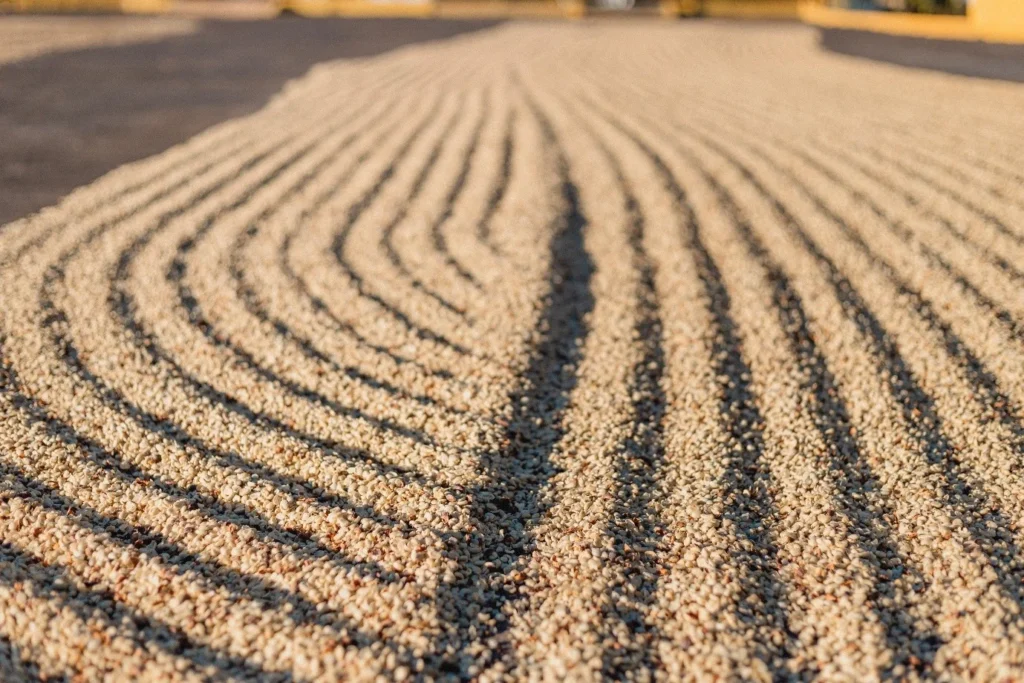
Esperanto Specialty Coffee: The New Generation of Fair Trade Coffee
In this new landscape, Esperanto Specialty Coffee stands out, a brand representing the evolution of ethical coffee toward the specialty coffee model.
Unlike traditional models based exclusively on certifications, Esperanto combines sensory excellence, transparency, and direct trade with producers.
What distinguishes Esperanto?
- Certified Specialty Coffee: coffee with scores above 80 points according to the Specialty Coffee Association, selected for its sensory profile and origin.
- Full Traceability: each lot allows you to know the plantation, the producer, and the processing method.
- Direct Relationships with Producers: prices above the conventional market, aimed at fair remuneration.
- Fresh Seasonal Coffee: artisanally roasted in Italy and available via online subscription.
Through esperanto.coffee, it is possible to purchase carefully selected seasonal coffees, moving closer to a consumption model where quality, sustainability, and transparency are part of the same experience.
Frequently Asked Questions about Fair Trade Coffee
Why does fair trade coffee cost more? The slightly higher price guarantees two fundamental things: the Fairtrade Minimum Price, which acts as a safety net when market prices drop, and the Fairtrade Premium, an additional sum of money that farmers democratically decide how to invest in their community (education, healthcare, or technical improvements).
What does “Direct Trade” mean and how does it differ from fair trade coffee? Direct Trade is a model used by specialized brands like Esperanto. Unlike large certifications, in this case, the roaster establishes a personal and direct relationship with the producer. This allows for paying prices even higher than those of traditional fair trade, based exclusively on the very high quality of the bean and eliminating any intermediaries.
Is specialty coffee always fair trade? By definition, Specialty Coffee requires such high quality that producers must be remunerated much better than in the conventional market to cover the costs of meticulous production. Even if they do not always carry the formal “Fairtrade” seal, most specialty coffees follow direct trade logics that are, in practice, even more beneficial for the farmer than the traditional fair trade model.
How does artisanal roasting affect sustainability? Artisanal roasting, typical of Esperanto, is performed in small batches in Italy. This not only guarantees maximum freshness (avoiding the oxidation of large industrial stocks) but also allows for enhancing the unique characteristics of each origin. Supporting local and artisanal roasting reduces waste and promotes an economy based on value rather than volume.