
The coffee sector is experiencing a revolution driven by geographical awareness. Understanding what single-origin coffee is and what single-origin coffee means is the first step for those wishing to explore the authentic identity of a territory through a cup. Discover our Origin selection to explore these lands.
What is single-origin coffee and why does origin matter?
In practice, what is single-origin coffee? These are coffee lots from a single plantation, a single producer, or a specific region of one country. Unlike blends, the origin is not hidden but celebrated:
- Traceability: It is possible to trace back to the exact farm and the climatic conditions of the harvest.
- Unique Profile: The flavor reflects the terroir, namely the combination of soil, altitude, and climate.
- Purity: With no blending with other nations, the taste is free from interference.
What does single-origin Arabica coffee mean?
Many wonder what single-origin Arabica coffee means. This designation guarantees that the bean belongs to the Arabica species and comes from a single geographical source, offering a sweeter and more complex profile compared to “regular” or commercial coffee.
What is the best Arabica coffee in the world?
Determining what is the best Arabica coffee or what is the best coffee overall is subjective, but the answer lies in origin. While brands like Kimbo or Lavazza focus on the consistency of industrial taste, single-origin Specialty coffees offer nuances of jasmine, citrus, or chocolate that vary according to season and geographical provenance.
What is the healthiest coffee and the role of provenance?
The search for the healthiest coffee leads directly to single-origin coffees. Since they come from a single controlled site, these coffees undergo more rigorous selection processes:
- Fewer defects: Manual selection reduces the presence of diseased or moldy beans.
- Freshness: Being specific lots, rotation is faster compared to large industrial silos.
- Digestibility: The superior quality of single-origin Arabica is often associated with lower negative gastric acidity.
Single-origin coffee vs “regular” Arabica coffee
| Characteristic | Single-Origin Coffee | “Regular” Arabica Coffee / Blend |
| Origin | Single region or farm | Mix of various countries |
| Taste | Distinctive and unique | Standardized and consistent |
| Quality | Specialty or Premium | Often commercial |
| Transparency | Complete throughout the supply chain | Limited to the brand |
Excellence and selection at Esperanto Specialty Coffee
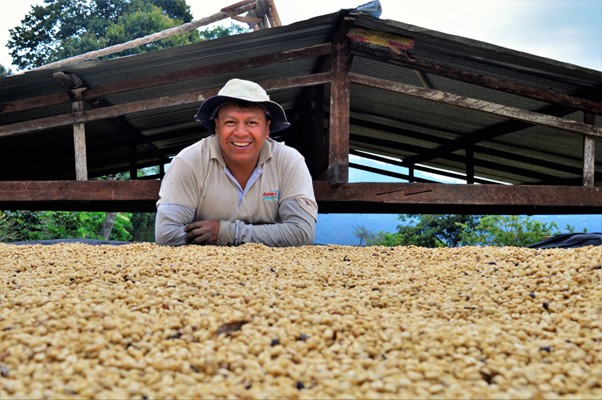
At Esperanto Specialty Coffee, origin is at the heart of everything. As a trader specializing in specialty coffee, we carefully select single-origin lots from verified producers, promoting a transparent, traceable, and sustainable supply chain. Our role is to directly connect origin and roastery, offering access to distinctive coffees that fully express terroir, without compromises related to industrial standardization.
Discover our sensory journeys at Esperanto Coffee.
Frequently asked questions about single-origin coffee
What does single-origin coffee mean? It refers to coffee from a single geographical area, such as a single country, region, or even a specific plantation, without being blended with beans from other origins.
What is the difference between single-origin coffee and a blend? While a blend is created to balance different flavors and achieve a consistent taste, single-origin coffee serves to highlight the unique character and distinctive aromatic profile of a specific territory.
How should it be tasted to appreciate its notes? To capture every nuance, the ideal method is to prepare it using filter methods (such as V60 or Chemex), although many enthusiasts choose it as espresso to enjoy unprecedented aromatic intensity.